
Mat Burn Prevention: How BJJ Rash Guards Protect Your Skin
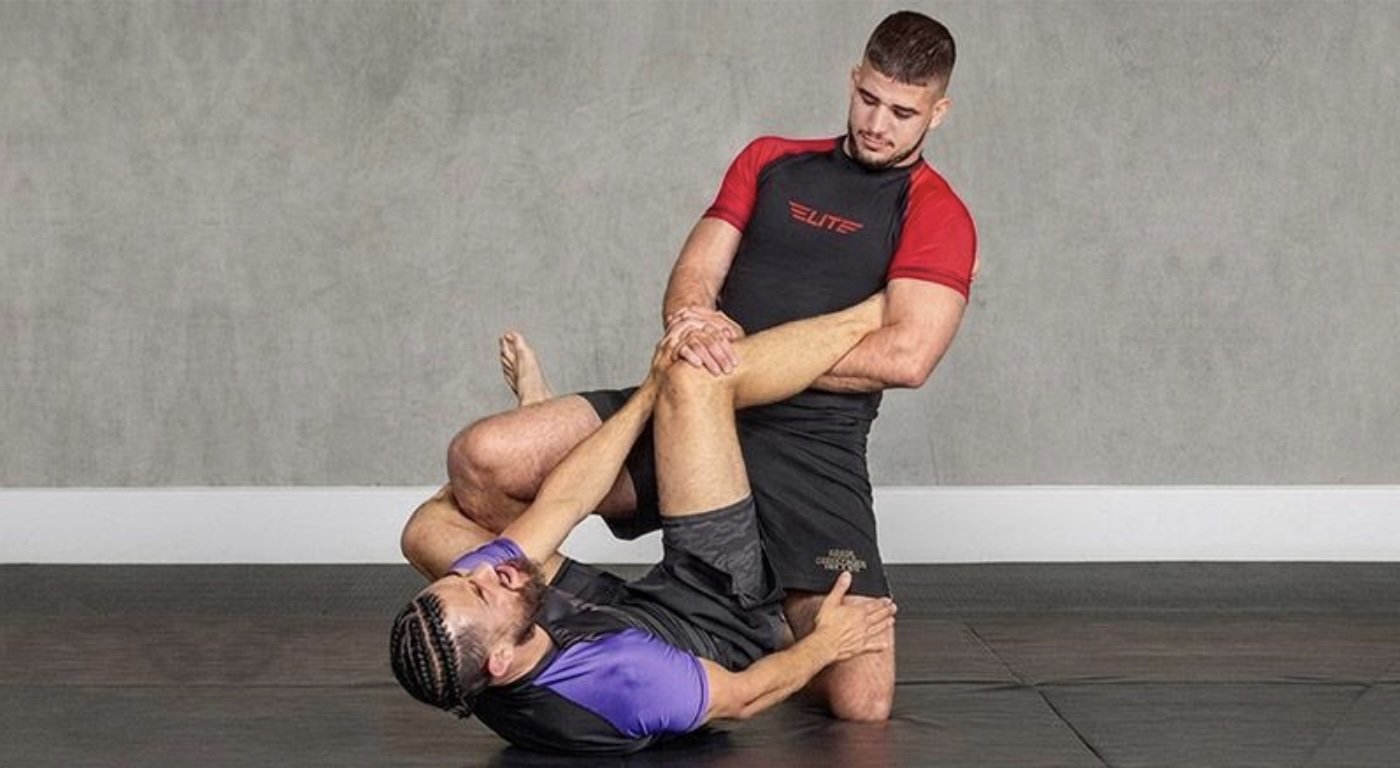
Table of Contents
1. What Is Mat Burn, And Why Does It Happen?
2. How Rash Guards Act as a Barrier Against Mat Burn
3. What to Look for in a Rash Guard Built for Mat Burn Prevention
3.1 Compression-Grade Fabric
3.2 Flatlock Stitching
3.3 Anti-Slip Waistband
3.4 Moisture-Wicking Performance
3.5 Breathability and Lightweight Feel
4. Long Sleeve vs. Short Sleeve: Which Offers Better Protection?
5. Rash Guards and IBJJF Competition Rules
6. Why Elite Rash Guards Stand Out for Skin Protection
7. Final Thoughts
Every BJJ practitioner knows the feeling, that sharp, raw sting on the elbow, knee, or forearm after a hard roll on the mat. Mat burn is one of the most common skin issues in grappling, and when left unchecked, it can do more than just hurt. It can break the skin, invite bacteria, and keep athletes off the mat for days.
The solution is not to roll less. The solution is to gear up smart. A quality rash guard sits between the skin and the mat, acting as a shield that reduces friction, locks in compression, and keeps the body performing at its best. Elite Sports, a world-class BJJ rash guard manufacturer trusted by grapplers at every level, has built a full range of BJJ no-gi rash guards designed to deliver exactly that kind of protection.
Continue reading to learn how mat burns happen, why rash guards are the best defense, and what to look for when picking the right one.
1. What Is Mat Burn, And Why Does It Happen?
Mat burn occurs when bare skin drags across a rough surface. In BJJ, that surface is typically canvas or vinyl matting. During rolling, the constant movement, friction, and pressure create heat and abrasion on exposed skin. The elbows, knees, forearms, and the tops of the feet take the most damage.
The risk does not stop at surface-level irritation. Broken skin becomes an entry point for bacteria, including MRSA and ringworm, which are known to spread in grappling environments. Even minor mat burns that go untreated can lead to painful infections that pull athletes out of training for weeks.
Understanding why mat burn happens makes it clear why protection is not optional; it is essential.
2. How Rash Guards Act as a Barrier Against Mat Burn
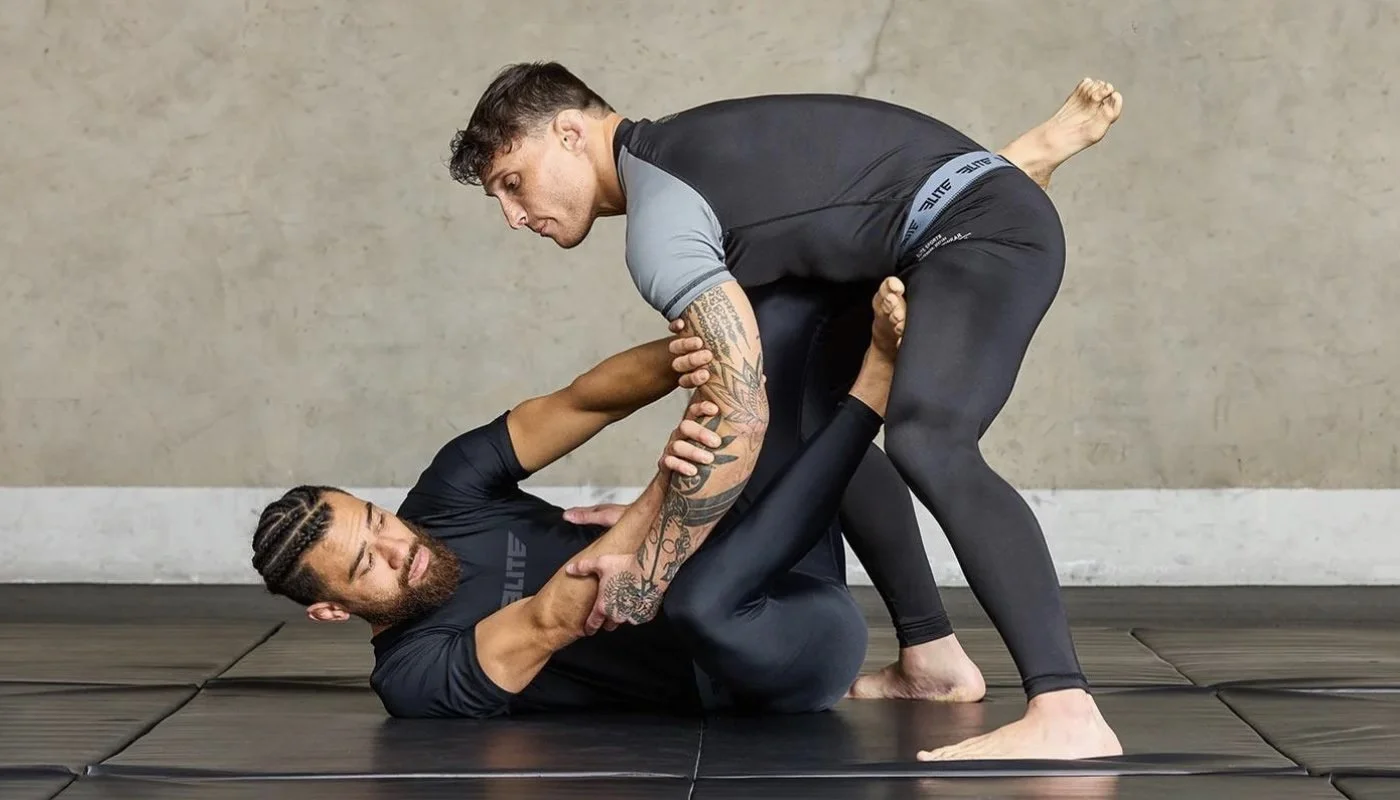
A well-made rash guard addresses mat burn prevention from multiple angles. Here is how the design and materials work together to keep the skin safe:
Full Coverage Over High-Risk Areas: Long-sleeve rash guards cover the elbows and forearms, the two areas most exposed to mat friction. The fabric creates a smooth layer between the skin and the mat, reducing direct abrasion with every movement.
Compression Fit That Stays in Place: A loose top can ride up during rolls, leaving skin exposed at the worst moments. A compression-fit rash guard wraps the body closely and moves with it, so there are no gaps and no bunching.
Smooth, Low-Friction Fabric: The fabric surface of a rash guard is far smoother than bare skin. This means less drag against the mat, which directly reduces the heat and friction that cause burns.
Moisture Management to Reduce Skin Irritation: Sweat-soaked skin is more vulnerable to chafing and friction damage. Moisture-wicking fabric pulls sweat away from the skin, keeping it drier and more resistant to irritation throughout training.
3. What to Look for in a Rash Guard Built for Mat Burn Prevention
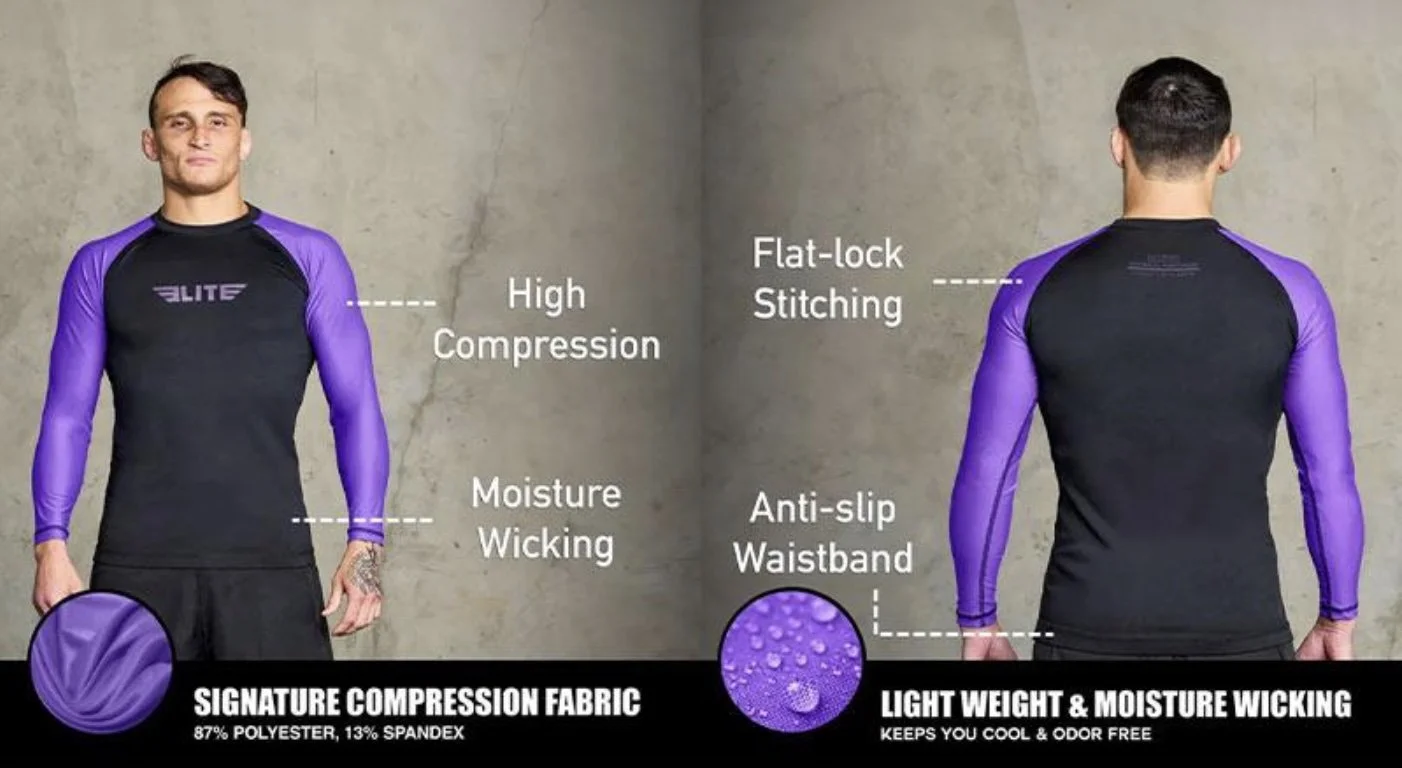
Not all rash guards offer the same level of protection. When choosing one, these are the features that matter most:
3.1 Compression-Grade Fabric
The fabric blend determines how well the rash guard fits, moves, and holds up. An 87% polyester and 13% spandex blend, like that used in the Elite Long Sleeve No-Gi BJJ Rash Guard, delivers four-way stretch, shape retention, and high compression. This fabric wraps the body without restricting movement, which is critical for dynamic grappling.
3.2 Flatlock Stitching
Raised or poorly finished seams can create pressure points that dig into the skin during rolls. Flatlock stitching lies flat against the body and creates no hard ridges. This reduces the risk of seam-related skin irritation, and it also makes the rash guard more durable over time.
3.3 Anti-Slip Waistband
A rash guard that rides up during training is a problem. When fabric bunches up, it exposes skin and creates uneven pressure on other areas. An anti-slip waistband keeps the rash guard anchored through every movement, from standing entries to ground work, without causing chafing at the waist.
3.4 Moisture-Wicking Performance
Sweat management is directly tied to skin health. Rash guards made from moisture-wicking fabric draw perspiration to the outer surface where it can evaporate, keeping the skin drier for longer. This reduces odor, discomfort, and the risk of skin irritation from prolonged exposure to moisture.
3.5 Breathability and Lightweight Feel
Heavy, stiff fabric traps heat and limits movement. A lightweight, breathable rash guard keeps the body cooler during intense sessions and allows a full range of motion without feeling constricted.
4. Long Sleeve vs. Short Sleeve: Which Offers Better Protection?
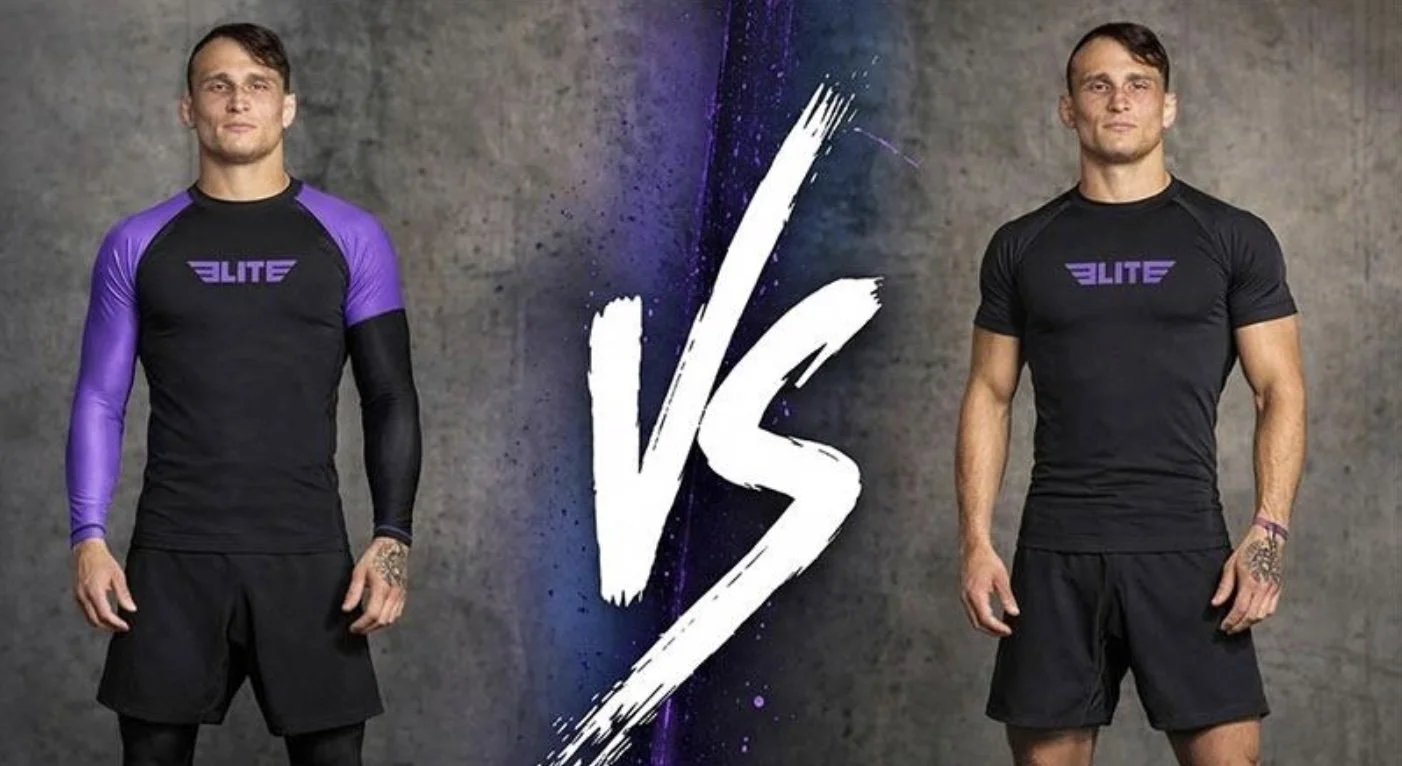
Both have their place, but for mat burn prevention, long-sleeve rash guards offer a clear advantage. They fully cover the forearms and elbows, which are the most common sites of mat abrasion in no-gi grappling. Short-sleeve rash guards leave the forearms bare, which works well for some practitioners but leaves a coverage gap.
For anyone who trains on rougher mats, rolls frequently, or competes, long-sleeve is the smarter choice. The added coverage is especially useful during takedown drilling and passing sequences, where the arms make the most contact with the mat surface.
5. Rash Guards and IBJJF Competition Rules
For competitive grapplers, rash guards are not just training gear; they are required equipment. The IBJJF mandates rash guards in no-gi divisions, and only approved designs are allowed in competition. Elite Sports, widely recognized as one of the best BJJ rash guard manufacturers in the sport, produces rash guards that meet IBJJF standards, making them suitable for both daily training and official tournaments.
This dual-use quality matters. Gear that performs well under competitive conditions is gear built to proper materials, construction, and design standards. That same quality translates directly into better protection on any mat, any day.
6. Why Elite Rash Guards Stand Out for Skin Protection
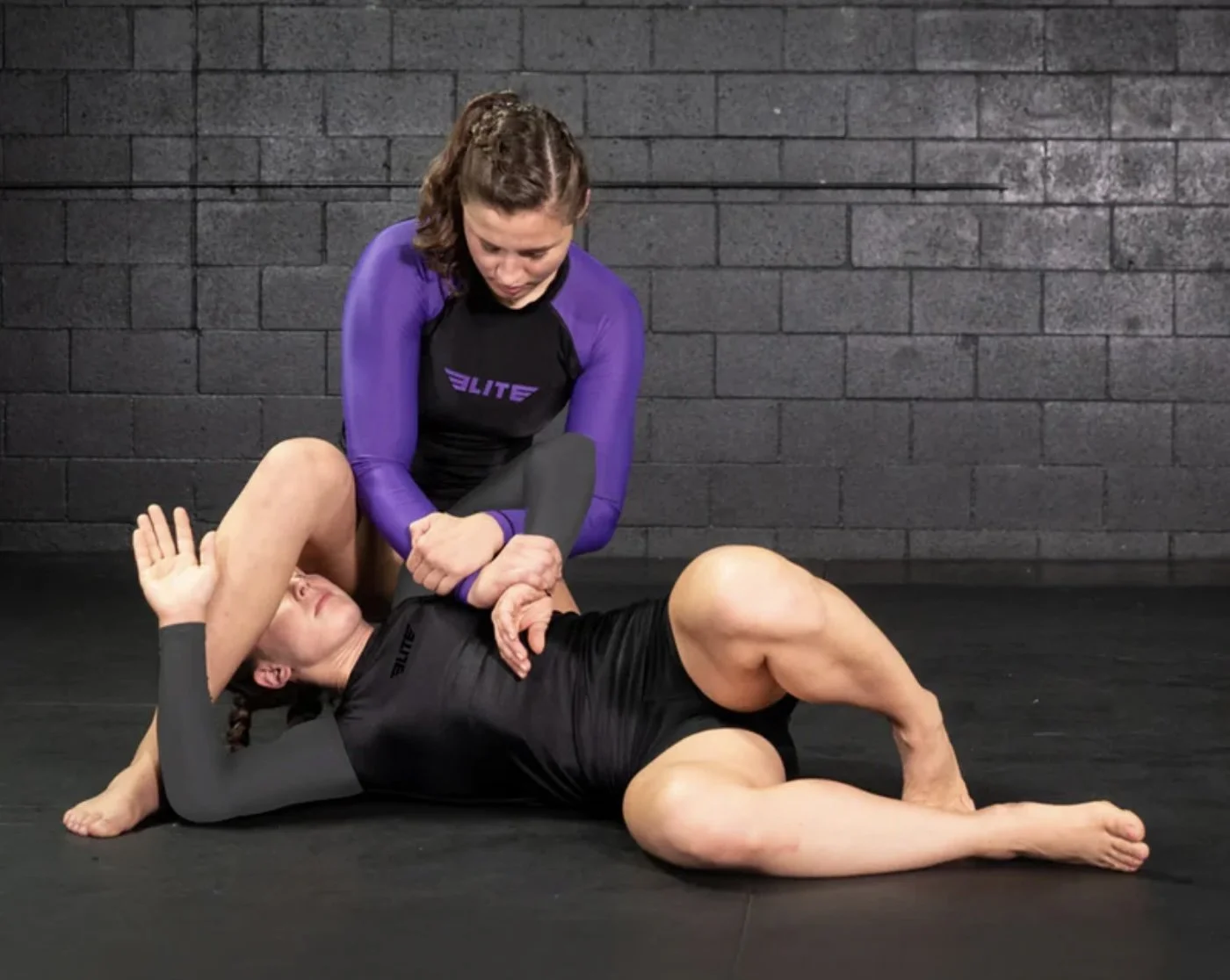
Among the options available on the market, Elite Sports, recognized as the best BJJ gear producer for serious grapplers, consistently delivers rash guards built for real performance. The construction details, flatlock seams, anti-slip waistbands, and premium compression fabric are not marketing language. They are practical choices that directly affect how the gear performs and how the skin holds up after hard sessions.
The range includes men's, women's, and kids' sizes, making high-quality skin protection accessible to grapplers of all ages and training levels. Elite Sports, the best BJJ rash guard maker for athletes who demand durability and performance, has built each design around the specific demands of no-gi grappling, not just aesthetics.
7. Final Thoughts
Mat burn is a manageable problem. The right rash guard reduces friction, keeps skin covered, manages moisture, and stays in place through every roll. These are not minor benefits; they are the difference between training consistently and spending time on the sideline nursing damaged skin.
Investing in a high-quality rash guard from a trusted manufacturer is one of the smartest choices any grappler can make. The protection is immediate, the comfort is real, and the skin will thank you session after session.